Apolo: A Playful Display Font for Creative Projects
Choosing the right typeface is often one of the most critical decisions in design. It sets the tone, conveys personality, and guides the reader’s eye before they even process the actual words. If you are looking for a font that brings energy, whimsy, and a touch of retro charm to your work, Apolo deserves a spot on your radar. This playful and creative display font is not just another decorative addition; it is a tool designed to make unique design projects stand out.
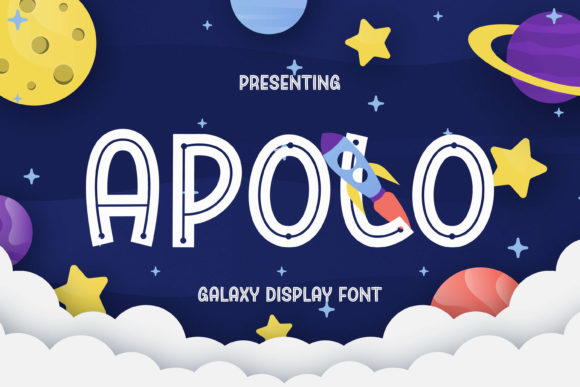
Apolo captures attention with its distinctive character shapes and lively rhythm. Whether you are designing a book cover, creating packaging for a new product, or putting together a presentation for school, this font offers a versatile solution that balances fun with readability. It is particularly effective when you need to inject personality into visual communications without relying on heavy graphics or complex layouts.
Why Apolo Stands Out in Design
At first glance, Apolo might look like a standard handwritten or brush-style font, but closer inspection reveals a carefully crafted structure. The letters have a natural flow, mimicking the movement of a quick sketch or a casual note. This gives the typography an organic feel that resonates well with modern audiences who appreciate authenticity over rigid perfection.
The font’s strength lies in its ability to evoke emotion. Because it looks hand-drawn, it feels personal and approachable. This is why it performs exceptionally well in contexts where human connection matters. Unlike sterile sans-serifs or overly formal serifs, Apolo invites the viewer in. It suggests creativity, informality, and a break from the mundane. For designers, this means less effort spent trying to convey a "friendly" vibe through color or imagery alone—the typography does much of the heavy lifting.
Real-World Applications for Apolo
Understanding where a font fits is just as important as knowing what it looks like. Here are several realistic scenarios where Apolo shines, helping you visualize how it can solve specific design challenges.
Book Covers and Publishing
For indie authors, self-publishers, or small presses, the cover is the first line of defense in selling a story. Apolo works beautifully for fiction genres that lean toward humor, romance, or contemporary drama. Imagine a mystery novel with a quirky protagonist; using Apolo for the title adds a layer of intrigue and lightness that hints at the narrative tone. It also excels in non-fiction titles that aim to be accessible, such as memoirs or lifestyle guides, where the author wants to seem relatable rather than authoritative.
Game Development and Entertainment
In the world of gaming, typography needs to match the atmosphere instantly. Apolo is an excellent choice for indie games, especially those with cartoonish art styles, puzzle mechanics, or lighthearted adventures. Its playful nature complements vibrant colors and dynamic illustrations. You might use it for main menus, character name tags, or achievement badges. The font’s irregularity adds a sense of movement and excitement, making static text feel alive.
Science and Educational Magazines
You might wonder why a playful font belongs in science-related publications. The answer lies in engagement. Traditional scientific writing can sometimes feel dense or intimidating. Using Apolo for headlines, pull quotes, or section dividers can soften the content, making it more inviting to younger readers or students. It helps bridge the gap between complex information and casual consumption. For example, a magazine article about space exploration could use Apolo for catchy subheads like "Mars: The Next Frontier," keeping the energy high while the body text remains serious and informative.
Product Packaging and Branding
Shelf presence is everything in retail. When consumers scan a row of products, they respond to visual cues. Apolo can help a brand differentiate itself by signaling creativity and quality. It is particularly effective for artisanal goods, craft foods, beauty products, or hobby kits. Think of a label for homemade jam, a skincare line focused on natural ingredients, or a DIY craft box. The font’s handcrafted aesthetic aligns perfectly with values of authenticity and care. It tells the customer that real people made this product, not just a machine.
Digital Content and Social Media
In the fast-paced world of digital marketing, grabbing attention within seconds is crucial. Apolo works well for social media graphics, blog headers, and email newsletters. Its bold presence ensures it remains legible even at smaller sizes on mobile screens. Bloggers and content creators can use it to highlight key takeaways or create visually appealing quote cards. Marketers might use it for limited-time offer banners or event announcements where urgency and excitement are key.
Who Benefits Most from Using Apolo?
Different users bring different needs to the table, and Apolo serves them in distinct ways:
- Creatives and Freelancers: For graphic designers and illustrators, Apolo is a reliable asset in their toolkit. It allows them to quickly prototype concepts that require a whimsical touch without spending hours customizing letterforms.
- Entrepreneurs and Small Business Owners: Startups often operate with limited budgets. Apolo provides a professional yet distinctive look that can elevate branding materials like business cards, logos, and website headers without requiring expensive custom typography.
- Educators and Teachers: Creating engaging lesson plans or classroom posters requires visuals that capture students' interest. Apolo can make educational materials feel less like chores and more like invitations to learn.
- Hobbyists and Crafters: Those who make physical gifts, scrapbooks, or personalized items will find Apolo easy to use in digital design software to create printable templates, labels, or cards.
Practical Considerations Before You Use Apolo
While Apolo is versatile, successful implementation requires thoughtful application. Here are some practical tips to ensure your designs remain effective.
Balancing Readability and Style
Display fonts are meant to be seen, not read extensively. Avoid using Apolo for long paragraphs of body text. It is best reserved for headings, titles, slogans, and short phrases. When pairing Apolo with other fonts, choose simple, neutral typefaces for supporting text. A clean sans-serif or a classic serif can provide the necessary contrast, allowing Apolo to shine as the focal point without causing visual clutter.
Context Matters
Consider the message you want to send. Apolo conveys playfulness and creativity, which may not be appropriate for all situations. Legal documents, financial reports, or corporate annual statements typically require a more serious and trustworthy tone. In these cases, sticking to traditional typefaces is wiser. However, even in conservative industries, a touch of Apolo in a sidebar graphic or a newsletter header can add a welcome human element.
Licensing and Usage Rights
Before downloading or purchasing Apolo, always review the licensing agreement. Fonts are intellectual property, and usage rights vary depending on whether you are using it for personal projects, commercial products, or web embedding. Ensure you have the correct license for your intended use to avoid legal issues later. Many modern font foundries offer flexible licensing options, so take the time to understand what is included in your purchase.
Testing Across Mediums
How a font looks on a screen does not always translate perfectly to print. Always test Apolo in both digital and physical formats if possible. Check how it reproduces at different sizes and on various backgrounds. Sometimes, subtle details in the font’s design can get lost in low-resolution prints or on busy backgrounds. Adjusting spacing, color, or size can help maintain the font’s integrity across different mediums.
Making the Most of Your Design Choices
Ultimately, the goal of any design project is communication. Apolo is a powerful tool for communicating warmth, creativity, and individuality. By understanding its strengths and limitations, you can integrate it seamlessly into your workflow. Whether you are a seasoned designer looking for inspiration or a beginner eager to enhance your projects, Apolo offers a straightforward way to add flair and personality to your work.
Experiment with it. Try combining it with bold colors, minimalist layouts, or textured backgrounds. See how it interacts with images and icons. The more you play with Apolo, the better you will understand its potential. Remember, good design is not just about following rules; it is about finding the right voice for your message. With Apolo, that voice is clear, confident, and undeniably fun.