Beyond the Pixel: How Human Crush is Reshaping Visual Identity in a Digital-First World
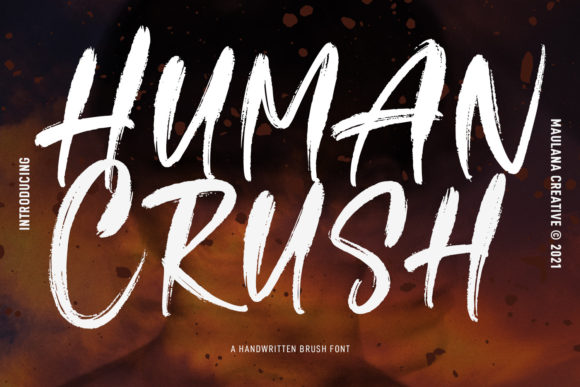
In the rapidly evolving landscape of digital design and brand communication, typography has ceased to be merely a vehicle for text; it has become a primary carrier of emotion, identity, and cultural resonance. As professionals, creators, and entrepreneurs navigate an increasingly saturated visual marketplace, the demand for typefaces that offer both distinct character and functional versatility has never been higher. Enter Human Crush, a cool, brushed, and adaptable display font that is capturing the attention of designers who seek to inject raw energy and organic texture into their work.
This article explores not just the aesthetic qualities of Human Crush, but why its specific characteristics align with current shifts in consumer behavior, marketing strategies, and creative workflows. We will examine how this typeface serves as a tool for differentiation in sectors ranging from sportswear to corporate branding, and why understanding the nuance of "brushed" typography is essential for modern design practice.
The Shift Toward Organic Authenticity
To understand the relevance of Human Crush, one must first look at the broader trend in graphic design moving away from hyper-polished, sterile minimalism toward what many experts call "digital grit" or "authentic imperfection." For years, the dominant aesthetic in tech and corporate branding was clean lines, sans-serif uniformity, and geometric precision. While effective for clarity, this approach often resulted in a homogenized visual language where brands struggled to stand out.
Consumers today are increasingly skeptical of overly curated perfection. In an era dominated by social media filters and AI-generated imagery, there is a growing craving for content that feels human, tangible, and real. This psychological shift has created a fertile ground for display fonts that mimic physical media—specifically those that show the trace of the hand. Human Crush fits perfectly into this paradigm. Its brushed style evokes the tactile sensation of paint on canvas, ink on paper, or marker on cardboard. It suggests movement, speed, and effort, qualities that resonate deeply with audiences seeking authenticity.
For marketers and freelancers, leveraging a font like Human Crush allows them to signal that a brand is grounded and accessible. It breaks the fourth wall of digital detachment, reminding the viewer that there is a human behind the product or service. This is particularly crucial for small businesses, startups, and independent creators who need to build trust quickly without the budget for extensive traditional advertising campaigns.
Adaptability in Diverse Creative Contexts
One of the most compelling arguments for adopting Human Crush is its remarkable adaptability. A common pitfall in typography selection is choosing a display font that is so stylized it becomes unreadable or contextually inappropriate. Human Crush avoids this trap by maintaining a balance between artistic flair and legibility. Its structure is robust enough to hold up in large-scale applications while retaining enough detail to work in smaller formats.
Sportswear and Activewear Design
The sportswear industry has long relied on bold, aggressive typography to convey power, endurance, and dynamism. However, the modern athlete’s aesthetic is shifting towards a blend of high-performance utility and streetwear culture. Here, Human Crush shines. The brushed strokes suggest motion and sweat, creating an immediate visceral connection to physical activity. When applied to t-shirts, hoodies, or athletic gear, the font does not just label the product; it embodies the spirit of the wearer. Designers can use it for main headlines to create impact, or pair it with cleaner sans-serifs for technical specifications, creating a sophisticated typographic hierarchy.
Logos and Brand Identities
Creating a logo that works across various mediums—from a tiny mobile app icon to a massive billboard—is a significant challenge. Human Crush offers a unique solution for brands looking to establish a memorable visual anchor. Because the font has such a strong personality, it can serve as the core element of a logo system. Imagine a coffee shop, a craft brewery, or a boutique fitness studio using Human Crush as their primary logotype. The textured edges provide natural contrast against solid backgrounds, ensuring visibility even in monochrome or low-light environments. Furthermore, the "crushed" aspect of the name implies resilience and durability, subconscious cues that are valuable for any business aiming to project stability and longevity.
Advertising and Editorial Layouts
In the realm of print and digital advertising, attention spans are shorter than ever. Advertisers have mere seconds to capture interest. Human Crush acts as a visual hook. Its irregular, hand-drawn quality interrupts the pattern of standard grid-based layouts, forcing the eye to pause. For fashion advertisements, music festival posters, or limited-edition product launches, this font adds a layer of exclusivity and urgency. It suggests that the content is not mass-produced but crafted with care. Marketers can leverage this perception to increase engagement rates and click-through metrics, as users are naturally drawn to visuals that break the monotony of their feed.
Integrating Human Crush into Modern Workflows
For designers and creative agencies, the integration of new typefaces requires more than just aesthetic appreciation; it demands practical consideration of workflow efficiency and licensing. Human Crush is designed to be user-friendly within standard design software ecosystems, making it accessible to both seasoned professionals and enthusiastic amateurs.
- Versatility in Pairing: One of the key strengths of Human Crush is its ability to complement other typefaces. It pairs exceptionally well with clean, geometric sans-serifs (like Helvetica Now or Montserrat) for body text. This contrast creates a dynamic tension between the rough, expressive headline and the orderly, informative subtext. This technique is widely used in modern editorial design to guide the reader’s eye effectively.
- Scalability: As a display font, Human Crush is optimized for larger point sizes. However, its adaptability means it can be scaled down for secondary headings without losing its character. This scalability reduces the need for multiple font variations, streamlining the design process and keeping file sizes manageable for web implementation.
- Cultural Relevance: By choosing Human Crush, designers are making a statement about their alignment with contemporary trends. It signals that the brand is aware of the shift towards organic aesthetics and is willing to experiment beyond traditional constraints. This forward-thinking approach is attractive to younger demographics, including Gen Z and Millennials, who prioritize brands that reflect their values of creativity and individuality.
Why Professionals Are Paying Attention
The buzz surrounding Human Crush is not accidental. It reflects a broader realization among professionals that typography is a strategic asset. In a market where products and services are often commoditized, the visual presentation becomes the differentiator. Human Crush provides a ready-made emotional framework that designers can tap into without needing to create custom letterforms from scratch—a process that is time-consuming and expensive.
Moreover, the font’s "cool" factor cannot be overstated. In the world of fashion and lifestyle, being perceived as trendy is vital. Human Crush carries an inherent edge that appeals to brands wanting to position themselves as edgy, innovative, or rebellious. Whether it’s a skateboarding brand, a punk-inspired clothing line, or a modern art gallery, the font communicates attitude before a single word is read. This instant communication of tone is invaluable in fast-paced industries where decisions are made quickly.
Looking Ahead: The Future of Brushed Typography
As we move further into the digital age, the intersection of physical and virtual design will continue to blur. Augmented reality (AR) and virtual reality (VR) present new opportunities for typography to interact with space and light. While Human Crush is currently best suited for 2D applications, its textured nature makes it an excellent candidate for future 3D rendering and motion graphics. The brush strokes can be animated to simulate the act of painting, adding a layer of kinetic energy to digital experiences.
Furthermore, as artificial intelligence begins to play a larger role in design generation, human-centric elements like hand-drawn textures will likely become even more prized. They serve as a reminder of human craftsmanship in an automated world. Designers who master the use of such fonts now will be well-positioned to lead the next wave of creative innovation.
Conclusion
Human Crush is more than just a font; it is a strategic design tool that addresses the contemporary need for authenticity, energy, and adaptability. By bridging the gap between organic expression and professional polish, it empowers creators to tell compelling stories across a wide array of mediums. From t-shirts and sportswear to logos and advertisements, its influence is already being felt. For professionals looking to elevate their visual communication, embracing the raw power of Human Crush is not just a stylistic choice—it is a smart business decision. As the market continues to evolve, those who can harness the emotional power of well-chosen typography will undoubtedly remain ahead of the curve.
Whether you are a freelancer crafting a personal brand, a marketer launching a new campaign, or an entrepreneur building a startup, consider how the voice of your typography can amplify your message. Human Crush offers a unique opportunity to crush through the noise and connect with your audience on a deeper, more human level.