Payu: Elevating Streetwear and Urban Brand Identity with Bold Typography
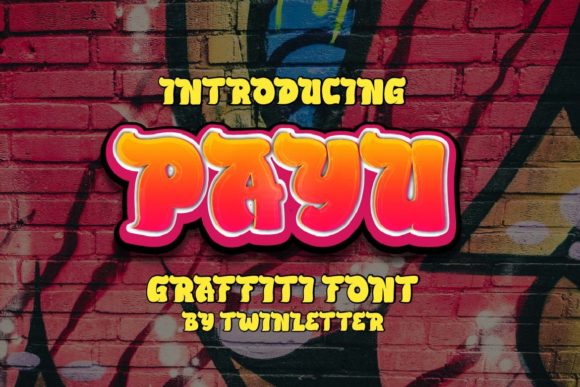
In the fast-paced world of visual communication, standing out requires more than just a catchy slogan or a vibrant color palette. It demands a typographic voice that commands attention, conveys attitude, and resonates instantly with your audience. For designers working in the realms of streetwear, sportswear, and urban culture, finding the right font is often the most critical decision in the design process. This is where Payu enters the conversation. Payu is not merely a typeface; it is a statement piece—a graffiti-styled display font that captures the raw energy, rebellious spirit, and artistic flair of street art.
If you are looking to inject your brand or project with an authentic, edgy vibe, understanding how to leverage fonts like Payu can transform your designs from generic to iconic. This guide explores what makes Payu unique, why it works for specific industries, and how you can practically apply it to achieve professional, high-impact results.
Understanding the Payu Aesthetic
To appreciate the utility of Payu, one must first understand its stylistic roots. Unlike traditional serif or sans-serif fonts that prioritize readability above all else, Payu is designed as a display font. Its primary purpose is to be seen, to grab the eye, and to set a mood. The "graffiti-styled" descriptor is key here. Payu mimics the look of spray paint on concrete—bold, slightly irregular, dynamic, and unapologetically loud.
This aesthetic serves a specific psychological function. When users see typography that resembles street art, they subconsciously associate the brand with concepts like freedom, creativity, youth culture, and authenticity. Payu avoids the polished, corporate feel of standard web fonts, offering instead a texture that feels hand-crafted and human. For brands trying to shed a stiff image and appear more relatable or exciting, this shift in tone is invaluable.
Who Needs Payu? Identifying Your Design Goals
Not every design project requires the intensity of a graffiti font. However, there are specific scenarios where Payu becomes an essential tool in your design arsenal. Understanding these use cases helps you determine if Payu is the right solution for your current challenge.
Streetwear and Apparel Branding
The fashion industry, particularly streetwear, relies heavily on visual identity. Brands like Supreme, Off-White, and Stüssy have built empires on strong graphic identities. If you are launching a clothing line, a sneaker collection, or an accessory brand that targets a younger, trend-conscious demographic, Payu provides the perfect headline treatment. It signals to the consumer that this product is part of a movement, not just a commodity.
Sportswear and Athletic Marketing
Sports are inherently energetic. Logos and advertisements for gyms, sports teams, fitness apps, or athletic gear need to convey motion and power. Payu’s bold strokes and dynamic angles naturally suggest speed and impact. Using Payu for event posters, jersey designs, or promotional banners can make static images feel active and engaging.
Event Posters and Music Promotions
Concerts, festivals, rap battles, and skate competitions thrive on atmosphere. The typography used in their marketing materials sets the stage before the attendee even arrives. Payu fits seamlessly into these environments because it mirrors the organic chaos of live events. It suggests that something exciting and perhaps a little unpredictable is about to happen.
Practical Applications and Implementation Strategies
Knowing *where* to use Payu is only half the battle; knowing *how* to use it effectively is what separates amateur designs from professional work. Here are practical strategies for integrating Payu into your projects.
Headline Dominance
As a display font, Payu should generally be reserved for headlines, titles, and large-scale graphics. It is not designed for body text. Attempting to read long paragraphs in a graffiti style causes eye strain and reduces comprehension. Instead, use Payu for the main hook—the word or phrase that stops the scroll or catches the eye on a poster—and pair it with a clean, simple sans-serif font for any supporting details. This contrast creates a balanced hierarchy that guides the viewer’s eye effectively.
Logo Design Considerations
Can Payu be used for a logo? Absolutely, but with caution. Because graffiti styles can be complex, legibility at small sizes (such as on social media avatars or business cards) might be compromised. If you choose Payu for a logo, consider simplifying the design or using it only for the wordmark while keeping the icon clean. Test your logo in black and white and at very small scales to ensure the essence of the font remains recognizable.
Merchandise and Print
One of Payu’s strongest suits is its application on physical goods. T-shirts, hoodies, tote bags, and stickers benefit from the tactile quality implied by the font. When designing for print, pay attention to color choices. Payu often looks best against high-contrast backgrounds. Neon colors against black, or white against dark gray, can enhance the "spray paint" effect. Avoid busy patterns behind Payu text, as the intricate details of the font may get lost in the noise.
Navigating Common Challenges
While Payu offers many benefits, it comes with inherent challenges that designers must manage.
- Licensing and Usage Rights: Always verify the license for Payu. Some display fonts are free for personal use but require a commercial license for products you sell. Ensure you have the proper rights before printing merchandise or running paid ads.
- Overuse and Cliché: Graffiti fonts have been used extensively in the 90s and early 2000s. To avoid looking dated, modernize the approach. Combine Payu with contemporary layout techniques, minimalist photography, or unexpected color palettes. Don’t let the font carry the entire weight of the design; let it complement a strong visual concept.
- Legibility vs. Style: There is a fine line between "stylishly illegible" and "confusing." If your message is crucial, test it with people who haven't seen the design before. If they struggle to read the core message within three seconds, simplify the kerning or reduce the decorative elements.
Why Payu Works for Modern Audiences
In an era where digital content is saturated, audiences crave authenticity. They are tired of overly sanitized, corporate aesthetics. Payu taps into the desire for genuine expression. It feels less like a machine made it and more like a person created it. This human touch builds trust and connection with consumers who value individuality.
Furthermore, the versatility of Payu allows it to bridge gaps between different mediums. Whether you are designing a digital banner ad, a physical billboard, or a package label, the font maintains its integrity. It scales well and retains its character whether viewed on a smartphone screen or printed on a large format poster. This adaptability makes it a cost-effective and efficient choice for brands that need consistent messaging across multiple platforms.
Conclusion
Selecting the right typography is a strategic decision that influences how your brand is perceived. Payu offers a powerful solution for designers and businesses aiming to communicate energy, rebellion, and creativity. By understanding its strengths as a display font and respecting its limitations regarding readability, you can harness the full potential of this graffiti-styled typeface.
Whether you are revamping a sportswear logo, creating hype for a music festival, or designing a new line of t-shirts, Payu provides the visual punch needed to cut through the noise. Experiment with it, pair it thoughtfully, and let its bold personality drive your creative narrative forward. In the competitive landscape of urban design, sometimes the loudest voice wins—and Payu knows how to shout.