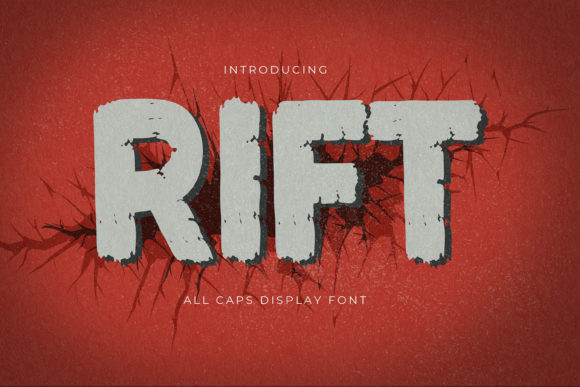
Rift: A Vintage Display Font for Modern Branding
In a digital landscape saturated with sleek, geometric sans-serifs and overly ornate script fonts, finding a typeface that strikes the right balance between nostalgia and minimalism can feel like searching for a needle in a haystack. Enter Rift, a display font designed specifically to bridge that gap. It isn’t just another decorative addition to your library; it is a strategic tool crafted with a vintage aesthetic but refined enough for contemporary applications.
If you are a designer, marketer, or small business owner looking to add character without sacrificing readability, Rift offers a unique solution. Its design philosophy centers on clean lines and subtle retro influences, making it versatile enough for everything from high-end product packaging to social media graphics. But understanding its potential goes beyond knowing what it looks like—it requires understanding where it fits in your workflow and how it impacts your audience’s perception.
Understanding the Aesthetic: Why Rift Stands Out
To appreciate Rift, you first need to look at its construction. Unlike many "vintage" fonts that rely on heavy serifs, distressed textures, or complex ligatures, Rift leans into minimalism. It captures the essence of mid-century modern typography—think clean signage from the 1950s or elegant magazine headers from the 70s—but strips away the clutter. This makes it exceptionally legible even at smaller sizes or when used against busy backgrounds.
The term "display font" is key here. Rift is not intended for body text. You won’t be writing long blog posts or legal contracts in this typeface. Instead, it is built for impact. It commands attention in headlines, titles, and short phrases. The slight variations in stroke width and the carefully curated curves give it a hand-crafted feel, yet the underlying structure remains rigid and professional. This duality is what makes it so appealing to modern brands that want to appear established and trustworthy, yet fresh and approachable.
Real-World Applications for Creators and Brands
The true value of a font like Rift is realized when it is applied to real-world problems. Here is how different professionals can leverage its specific qualities in their daily work.
Product Packaging and Retail
For small business owners and entrepreneurs, shelf presence is everything. When customers are scrolling through an online store or walking down a grocery aisle, they make split-second decisions. A minimalist vintage style like Rift cuts through visual noise because it feels familiar yet premium. Imagine a craft coffee brand using Rift for their bag labels. The font suggests artisanal quality and tradition, implying that the product inside is made with care rather than mass-produced. Similarly, for skincare or cosmetic brands, Rift can convey a sense of clean ingredients and timeless elegance, moving away from the clinical look of standard medical typography.
Editorial Design and Publishing
Magazine editors and bloggers often struggle with hierarchy. They need headlines that pop but don’t overwhelm the article content. Rift serves as an excellent anchor for titles. Because of its minimalistic nature, it pairs beautifully with simple serif or sans-serif body fonts. For instance, a lifestyle blogger covering travel could use Rift for destination names or chapter headers, evoking a sense of adventure and classic exploration. In print brochures, Rift can guide the reader’s eye to key selling points without feeling aggressive. It invites the reader in rather than shouting at them.
Digital Marketing and Social Media
In the fast-paced world of Instagram and Pinterest, static images still hold significant power. Advertisers know that well-designed quotes or announcement graphics stop the scroll. Rift’s strong letterforms translate well to square formats common in social media feeds. A fitness coach might use Rift to highlight workout challenges, while a food blogger could use it for recipe titles. The vintage touch adds warmth to digital content, which is often perceived as cold or sterile. By introducing a human, hand-drawn element through typography, creators can build a stronger emotional connection with their followers.
Event Branding and Invitations
Weddings, corporate retreats, and local community events all benefit from clear, stylish communication. Rift works wonderfully for invitation suites, posters, and signage. Its vintage vibe lends itself perfectly to rustic or bohemian themes, but its minimalism keeps it suitable for more formal corporate gatherings. For example, a tech startup hosting a retro-themed launch party could use Rift to tie the event’s visual identity together. It signals that the organizers have a sense of style and attention to detail.
Who Benefits Most from Using Rift?
Not every user has the same needs, and Rift caters to a diverse audience by offering flexibility in tone.
- Freelance Graphic Designers: You need tools that allow you to pivot quickly between client styles. Rift’s neutral-yet-distinctive personality means you can use it for a bakery logo one day and a music festival poster the next. It reduces the risk of the font clashing with the client’s industry.
- Content Creators and Influencers: Consistency is key to building a personal brand. Incorporating Rift into your template library ensures that your thumbnails, story highlights, and pinned tweets share a cohesive visual language. It helps establish recognition before a viewer even reads your name.
- Educators and Presenters: Teachers and corporate trainers often create slide decks that need to be engaging but not distracting. Using Rift for slide titles breaks up the monotony of bullet points and adds a layer of professionalism that generic fonts lack. It makes educational materials feel curated and valuable.
- Hobbyists and DIY Enthusiasts: If you enjoy crafting physical goods, such as handmade candles, jewelry, or woodwork, Rift provides a ready-made label solution. You don’t need to hire a designer to create mockups for your products; simply applying Rift to your design software gives you a polished, market-ready look.
Practical Considerations Before You Apply
While Rift is a powerful asset, successful implementation requires a bit of forethought. Typography is not just about picking a pretty font; it is about communication. Here are a few things to keep in mind to get the best results.
- Leverage Contrast: Because Rift is a display font, it needs space to breathe. Avoid cramming too much text into a single line. Use generous kerning (spacing between letters) and leading (line height) to enhance its elegant, airy feel. Pairing it with a very light or thin weight of a complementary font can create sophisticated contrast.
- Consider Color Palettes: The vintage aspect of Rift shines brightest when paired with muted, earthy tones or classic black and white. Bright neon colors might clash with its understated elegance. Think about the mood you want to evoke—warmth, sophistication, or nostalgia—and choose colors that support that narrative.
- Respect Licensing: Always check the license agreement before downloading or purchasing Rift. Some fonts are free for personal use only, meaning you cannot use them in commercial projects like logos or products sold to the public. Understanding these restrictions protects your business from legal issues down the line.
- Test Across Mediums: A font that looks stunning on a high-resolution monitor might lose its detail when printed on textured paper or embroidered onto fabric. If you are using Rift for physical products, always order proofs or test prints to ensure the fine details remain crisp and recognizable.
Final Thoughts on Integrating Rift into Your Workflow
Rift is more than just a set of characters; it is a design decision that communicates heritage, quality, and thoughtfulness. In a market where consumers are increasingly drawn to authenticity and craftsmanship, a font that embodies these values can be a subtle but effective differentiator. Whether you are redesigning your brand’s visual identity or simply trying to make your next newsletter stand out, Rift provides the structural integrity and stylistic charm needed to elevate your work.
The key to success lies in restraint. Let the font do the heavy lifting in headlines and titles, and let your content shine in simpler typefaces. By integrating Rift strategically into your projects, you create a cohesive visual experience that resonates with audiences who appreciate both the past and the present. Start experimenting with it in low-stakes projects to see how it interacts with your other design elements, and soon you will find it becoming an indispensable part of your creative toolkit.