Why Loli Pop is the Ultimate Choice for Friendly Digital and Print Design
In a digital landscape saturated with sterile, corporate typefaces and overly aggressive display fonts, there exists a distinct need for typography that bridges the gap between professionalism and approachability. This is where Loli Pop steps in as a standout solution. It is not merely a font; it is a design tool engineered to convey impeccable friendliness through its childish yet readable structure. Whether you are a graphic designer crafting a brand identity, an educator creating classroom materials, or a small business owner looking to humanize your customer communications, this typeface offers a versatile foundation for visual storytelling.
The versatility of Loli Pop stems from its unique ability to balance playfulness with legibility. Unlike many display fonts that sacrifice readability for style, this typeface maintains a clear character set that ensures your message is understood immediately while retaining a warm, inviting tone. Its application extends far beyond simple greeting cards or children's party invitations, making it a valuable asset for professionals seeking to inject personality into their work without compromising clarity.
Understanding the Visual Character of Loli Pop
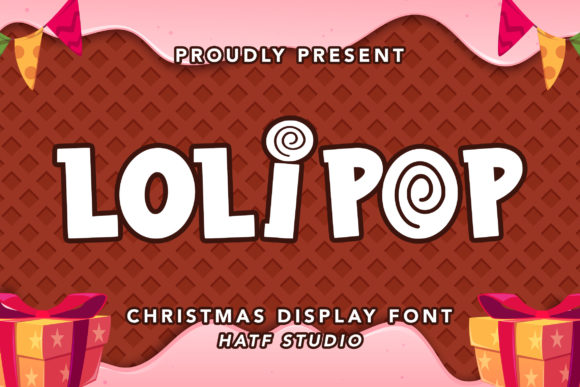
To appreciate the utility of Loli Pop, one must first understand its visual DNA. The font is designed with rounded edges, soft curves, and a slightly uneven baseline that mimics the charm of hand-drawn lettering. This "childish" aesthetic does not imply immaturity; rather, it signals safety, openness, and creativity. When a viewer encounters text set in this typeface, their subconscious association shifts from formal caution to relaxed engagement.
- Rounded Geometry: The absence of sharp angles reduces visual aggression, making complex information feel more accessible.
- High Readability: Despite its whimsical nature, the x-height and letter spacing are optimized for easy scanning on both screens and paper.
- Emotional Resonance: The font naturally evokes feelings of nostalgia and joy, which can be leveraged to build trust with an audience.
This specific combination of traits makes Loli Pop particularly effective in contexts where the goal is to lower barriers to entry. In marketing, for instance, a friendly font can reduce the perceived risk of a purchase decision. In education, it can make learning materials feel less daunting to young students.
Applications in Professional Branding
One of the most common misconceptions about display fonts like Loli Pop is that they are unsuitable for serious business contexts. However, modern branding often requires a blend of authority and warmth. Companies in sectors such as childcare, pet care, wellness, and creative services frequently struggle to find a voice that is professional yet personable. This is where the strategic use of Loli Pop becomes a competitive advantage.
Imagine a logo for a local bakery or a startup offering organic baby products. A rigid sans-serif might look too industrial, while a script font might lack clarity. Loli Pop sits perfectly in the middle ground. It suggests that the business cares about the details (craftsmanship) but remains approachable and fun. By using this font for headlines, logos, or key call-to-action buttons, businesses can create a memorable visual hook that differentiates them from competitors who rely on generic typefaces.
Furthermore, the font's flexibility allows for dynamic usage within a single brand identity. It can be paired with clean, minimalist body text to create a striking contrast. For example, a website header might feature the bold, friendly shapes of Loli Pop to grab attention, while the navigation and content remain in a neutral sans-serif to ensure long-form reading comfort. This pairing strategy enhances user experience by guiding the eye and establishing a clear visual hierarchy.
Crafting Engaging Educational Materials
Educators and instructional designers face a constant challenge: how to present information in a way that captures the attention of learners without overwhelming them. Research in cognitive psychology suggests that the visual presentation of text significantly impacts retention and engagement. Fonts that appear too dense or severe can induce anxiety, whereas those with a playful character can stimulate curiosity.
Loli Pop excels in this arena. Its childish yet easy-to-read nature makes it an ideal candidate for:
- Worksheets and Handouts: Using this font for titles and section headers can transform a standard worksheet into an activity sheet that students look forward to completing.
- Digital Presentations: Slides created for workshops or training sessions benefit from the font's ability to break up monotony. When used for bullet points or key takeaways, it keeps the audience engaged.
- Learning Management Systems (LMS): Integrating Loli Pop into course descriptions or module introductions can set a positive tone before the learner even begins the material.
The key here is moderation. While the font is highly effective for emphasis, overusing it can dilute its impact. Educators should treat Loli Pop as a spotlight rather than a floodlight. Use it to highlight important concepts, encourage interaction, or mark transitions between topics. This selective application ensures that the font remains a powerful tool for engagement rather than a distraction.
Enhancing User Experience in Digital Products
In the realm of app development and web design, user experience (UX) is paramount. Micro-interactions and UI elements often require a touch of personality to feel "alive." Buttons, tooltips, empty states, and error messages are areas where standard system fonts can feel cold and robotic. Replacing these default elements with Loli Pop can soften the blow of errors and make the interface feel more conversational.
Consider a mobile app designed for budgeting or habit tracking. These apps often deal with data that users might find stressful or tedious. By incorporating Loli Pop into the motivational quotes, success messages, or progress indicators, developers can turn a chore into a rewarding experience. The font acts as a digital companion, offering encouragement in a voice that feels supportive rather than judgmental.
Moreover, the readability of Loli Pop ensures that these micro-copy elements remain legible across various screen sizes. Whether viewed on a large desktop monitor or a compact smartphone, the characters retain their clarity, ensuring that the intended message is never lost due to rendering issues or scaling problems.
The Art of Greeting Cards and Personal Creations
Beyond professional and educational applications, Loli Pop finds its natural home in the world of personal expression. The craft community has long sought fonts that capture the essence of handmade items. There is a growing trend towards "digital crafts," where individuals use software to design custom stationery, labels, and decorations.
Loli Pop is uniquely suited for this purpose because it mimics the imperfections of handwriting without being difficult to read. When designing birthday cards, wedding invitations, or holiday greetings, the choice of font sets the emotional tone of the entire piece. A font that looks too perfect can feel impersonal, while one that is too messy can be hard to decipher.
Using Loli Pop allows creators to strike the perfect balance. It conveys the effort and thoughtfulness of a handwritten note while maintaining the crispness required for printing. Whether you are creating a banner for a child's birthday party, a label for homemade jam, or a thank-you card for a mentor, this font adds a layer of authenticity that resonates with recipients.
The potential for customization is also significant. Because the font is a display type, it works well in larger sizes where individual character details can be appreciated. This makes it excellent for posters, banners, and signage where distance viewing is necessary. The bold, friendly strokes of Loli Pop stand out against busy backgrounds, ensuring high visibility and immediate recognition.
Strategic Considerations for Implementation
While the benefits of using Loli Pop are numerous, successful implementation requires a thoughtful approach. Typography is not just about picking a pretty font; it is about context, contrast, and consistency. To get the most out of this typeface, designers should consider the following factors:
- Pairing Strategies: Since Loli Pop is a display font, it generally works best when paired with a neutral, functional font for body text. A clean sans-serif or a classic serif provides the necessary stability to let the playful font shine without causing visual fatigue.
- Sizing Matters: Display fonts lose their character when scaled down too small. Ensure that Loli Pop is used at appropriate sizes where its unique features, such as the rounded terminals and varied stroke widths, are clearly visible.
- Color and Texture: The effectiveness of the font can be enhanced by combining it with vibrant colors or textured backgrounds. The playful nature of the typeface pairs well with gradients, patterns, and illustrations, creating a cohesive design language.
- Audience Alignment: Always consider who will be reading the content. If the target audience is strictly corporate or legal, Loli Pop may be too informal. However, for audiences seeking connection, entertainment, or inspiration, it is an ideal choice.
Future Trends in Playful Typography
The design industry is currently experiencing a shift away from minimalism toward maximalism and personality. Brands are increasingly recognizing that consumers crave authenticity and human connection. As a result, we are seeing a rise in the use of expressive, non-traditional typefaces that break the rules of conventional design.
Loli Pop is positioned at the forefront of this movement. Its ability to convey friendliness and approachability aligns perfectly with the growing demand for brands that feel human. As digital interactions continue to replace physical ones, the need for visual cues that simulate warmth and empathy becomes more critical. Typography plays a pivotal role in this, acting as the primary vehicle for conveying brand voice in the absence of physical presence.
Looking ahead, we can expect to see Loli Pop and similar fonts integrated into more diverse media formats. From augmented reality overlays to interactive web experiences, the flexibility of this typeface allows it to adapt to new technological landscapes. Its enduring appeal lies in its timeless quality; while trends come and go, the desire for friendly, readable, and engaging communication remains constant.
Conclusion
In summary, Loli Pop represents more than just a font choice; it is a strategic design decision that prioritizes human connection. Its childish, easy-to-read display style offers a unique blend of friendliness and functionality that serves a wide array of needs. From enhancing professional branding and educational resources to elevating personal crafts and greeting cards, this typeface proves that playfulness and professionalism can coexist harmoniously.
For creators, educators, and business owners alike, adopting Loli Pop opens up a world of possibilities. It invites users to engage, learn, and connect in ways that traditional fonts often fail to achieve. By understanding the characteristics and advantages of this versatile tool, designers can craft experiences that are not only visually appealing but also emotionally resonant. Whether you are making greeting cards, digital designs, presentations, or crafts, Loli Pop has the potential to become your favorite go-to font, no matter the occasion.