Why Winter White Is the Bold Display Font Your Design Needs
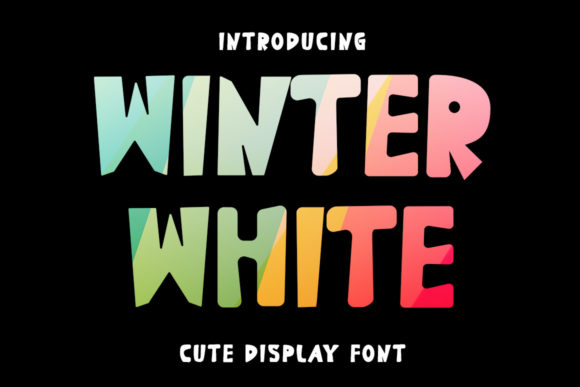
In a digital landscape saturated with thin, minimalist sans-serifs and delicate serif pairings, there is a distinct advantage to going heavy. There is a moment when a design needs to stop scrolling, grab attention, and demand respect. That is where Winter White steps in. It is not just another typeface; it is a cool and thick lettered display font that brings an imposing presence to any layout. Its uniquely shaped letters create a visual rhythm that is impossible to ignore, making it a versatile tool for creators who need a distinct touch.
If you are looking to elevate your branding, posters, or web headers, understanding the specific character of Winter White is essential. This isn't about using a font because it is trendy; it is about choosing a tool that communicates weight, stability, and modern edge. Let’s explore what makes this font stand out and how you can integrate it into your next project.
The Anatomy of Imposing Typography
When designers talk about "imposing" typography, they aren't referring to aggression. They are talking about authority. Winter White achieves this through its substantial weight and geometric confidence. Unlike standard bold fonts that simply thicken existing strokes, Winter White features uniquely shaped letters that suggest a custom construction. The terminals are sharp yet rounded, and the counters (the empty spaces inside letters like 'e' or 'a') are balanced to maintain legibility despite the thickness.
This structural integrity is crucial. A common mistake beginners make is using overly thick fonts on small screens or low-resolution prints, resulting in muddy text that is hard to read. Winter White avoids this pitfall by maintaining clear differentiation between characters. The coolness of its aesthetic comes from its lack of decorative flourishes. It doesn’t try to be friendly or whimsical; it aims to be striking. This makes it ideal for contexts where clarity and impact are paramount.
Visual Weight and Hierarchy
One of the most practical applications of Winter White is in establishing visual hierarchy. In web design and print media, guiding the user’s eye is half the battle. By using Winter White for headlines, subheads, or key data points, you create an immediate anchor. The human brain processes heavy shapes faster than light ones. When paired with lighter body copy, Winter White creates a dramatic contrast that enhances readability rather than hindering it.
Consider a landing page for a luxury automotive brand. A thin, elegant font might suggest speed and agility, but it lacks the sense of power associated with high-performance engines. Winter White, with its thick, solid forms, conveys robustness and engineering precision. It says, "This product is built to last." This psychological association is powerful and should not be underestimated when selecting a typeface for commercial purposes.
Versatility Across Industries
Despite its bold nature, Winter White is surprisingly adaptable. While it shines in industries that value strength and innovation, its unique shape allows it to fit into more niche markets as well. Here is how different sectors can leverage this font:
- Fashion and Apparel: Streetwear brands often rely on bold graphics and strong logos. Winter White’s cool aesthetic aligns perfectly with urban fashion, providing a backdrop for photography that feels both modern and timeless.
- Tech and Startups: For companies launching new hardware or software platforms, Winter White suggests reliability. It bridges the gap between technical precision and consumer-friendly appeal.
- Entertainment and Events: Concert posters, album covers, and event banners benefit from the font's ability to convey energy. The imposing nature of the letters ensures that even from a distance, the message is clear.
- Food and Beverage: Craft breweries and artisanal coffee shops often use rustic or industrial aesthetics. Winter White fits seamlessly into these themes, offering a clean, modern alternative to traditional script or handwritten fonts.
The key to success in these varied fields is restraint. Because Winter White is so dominant, it works best when given room to breathe. Overcrowding a layout with this font can lead to visual fatigue. Instead, treat it as a star player, not the entire cast.
Pairing Strategies for Maximum Impact
Choosing a display font is only half the equation; pairing it correctly is where the magic happens. Since Winter White is a cool and thick lettered display font, it requires partners that complement its intensity without competing with it. Here are some effective pairing strategies:
- Minimalist Sans-Serifs: Pair Winter White with a clean, neutral sans-serif like Helvetica Now or Roboto for body text. The simplicity of the secondary font allows Winter White to take center stage while ensuring that long-form content remains easy to read.
- Elegant Serifs: For a more sophisticated look, consider pairing Winter White with a high-contrast serif like Playfair Display. The juxtaposition of thick, modern display letters against delicate, traditional serifs creates a dynamic tension that is highly fashionable in editorial design.
- Monospaced Fonts: If you are aiming for a brutalist or tech-forward aesthetic, combine Winter White with a monospaced font like Space Mono. This combination emphasizes structure and code-like precision, appealing to developers and tech enthusiasts.
It is also worth noting the importance of color. Winter White performs exceptionally well in high-contrast scenarios. Black text on a white background is classic, but dark gray on off-white adds depth. Conversely, using Winter White in a vibrant accent color against a muted background can make specific keywords pop without overwhelming the viewer.
Practical Considerations for Implementation
Before downloading and implementing Winter White into your workflow, there are a few practical considerations to keep in mind. First, always check the licensing terms. As a specialized display font, it may have different pricing structures for personal versus commercial use. Ensuring you have the right license protects your project from legal issues down the line.
Secondly, test your font across various devices. While Winter White is designed for display purposes, you want to ensure that it renders correctly on mobile devices. Sometimes, extremely thick fonts can cause rendering issues on older browsers or lower-density screens. Preview your designs at 100% zoom to catch any potential aliasing or blurring artifacts.
Finally, remember the context of your audience. If your target demographic is younger and digitally native, they will likely appreciate the bold, confident style of Winter White. However, if you are targeting a more conservative or traditional audience, such as in finance or law, you might want to use it sparingly. In those cases, use it for logo marks or very large headlines, but stick to more conventional fonts for detailed information.
Conclusion: Making a Distinct Statement
In the end, typography is about communication. Every curve, stroke, and space sends a message to the reader. Winter White sends a message of confidence, clarity, and modernity. Its cool and thick lettered form provides a unique identity that helps brands stand out in a crowded marketplace.
Whether you are designing a website, printing a poster, or creating social media assets, incorporating Winter White can add that distinct touch your creation has been missing. It is not just a font; it is a design decision that prioritizes impact. By understanding its characteristics and applying it with intention, you can harness its full potential to create work that is not only seen but remembered. So, go ahead and give your projects the weight they deserve.