Evaluating Messy Marker for Street-Style Graphic Design
In the landscape of digital typography, finding a font that effectively captures the raw energy of street art without sacrificing legibility is a common challenge for designers. Messy Marker has emerged as a distinct option in this niche, offering a graffiti-styled aesthetic that appeals to creators looking to inject urban flair into their projects. This article provides an objective evaluation of the typeface, examining its visual characteristics, ideal use cases, and practical considerations for designers and brand managers.
Understanding the Aesthetic of Messy Marker
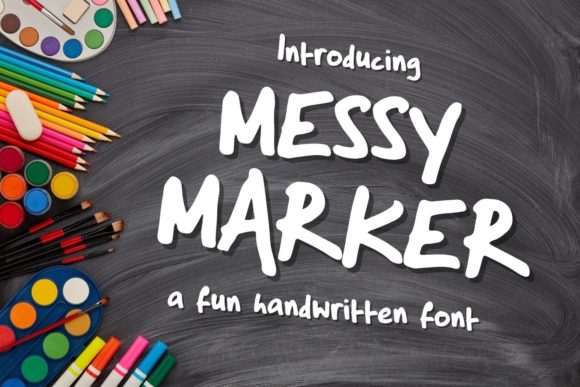
At its core, Messy Marker is designed to mimic the look of thick marker strokes applied hastily on concrete or brick. The typeface features irregular edges, varying stroke widths, and a hand-drawn quality that suggests movement and spontaneity. Unlike traditional sans-serif fonts which prioritize uniformity and clean lines, Messy Marker embraces imperfection as a stylistic feature.
This "graffiti-styled" appearance is not merely decorative; it communicates specific cultural associations. It evokes themes of rebellion, youth culture, creativity, and authenticity. For brands aiming to connect with younger demographics or those operating within the lifestyle, entertainment, or fashion sectors, this visual language can be powerful. However, the very traits that make it distinctive also impose limitations on its versatility.
Key Applications and Use Cases
When evaluating whether to incorporate Messy Marker into a design project, it is helpful to consider where the font performs best. Its strength lies in display contexts rather than body text. Below are primary areas where this typeface finds strong application:
- T-Shirt and Apparel Graphics: The bold, irregular shapes of Messy Marker translate well to fabric printing. It works particularly well for streetwear brands, skate shops, and independent artists looking for designs that feel authentic and unpolished.
- Sportswear Branding: Sports often rely on dynamic, high-energy visuals. The aggressive slant and rough edges of the font can convey speed, impact, and intensity, making it suitable for team logos, jersey accents, or promotional posters for extreme sports.
- Logos and Logotypes: For businesses centered around creativity, music festivals, or urban culture, a logo using Messy Marker can immediately establish tone. It signals that the brand is approachable, edgy, and modern.
- Advertisements and Posters: In print or digital ads targeting a youthful audience, the font acts as a visual hook. It stands out against cleaner, more corporate backgrounds, drawing attention to headlines and calls to action.
Benefits of Choosing Messy Marker
Selecting a specialized display font like Messy Marker offers several strategic advantages for specific design goals:
Immediate Visual Impact
The primary benefit is instant recognition. The unique texture of the letters grabs attention faster than standard typefaces. In crowded marketplaces, such as social media feeds or busy retail shelves, this visual pop can differentiate a product.
Cultural Relevance
By leveraging the visual vocabulary of graffiti art, designers can tap into established cultural narratives. This allows brands to align themselves with concepts of independence and artistic expression without needing extensive copywriting to explain their vibe.
Distinctive Brand Identity
Because Messy Marker is not a ubiquitous system font, it helps avoid generic branding. It provides a custom feel that can strengthen brand recall among target audiences who value uniqueness over conformity.
Tradeoffs and Limitations
While Messy Marker is effective for specific purposes, it comes with significant tradeoffs that designers must weigh carefully. Understanding these limitations is crucial for avoiding misapplication.
Legibility Challenges
The defining characteristic of the font—its messy, irregular strokes—can hinder readability, especially at small sizes or when used in long paragraphs. It is strictly a display font. Attempting to use it for body copy, navigation menus, or technical documentation will likely result in user frustration and poor accessibility scores.
Niche Appeal
The street art aesthetic is polarizing. While it resonates strongly with Gen Z and millennial demographics, it may alienate older audiences or industries that prioritize professionalism, stability, and tradition (such as finance, law, or healthcare). Using this font in inappropriate contexts can damage brand credibility.
Overuse in Trend Cycles
Hand-drawn and graffiti styles have cycled through trends multiple times. There is a risk that the style could appear dated if not executed with modern sensibilities. Designers must ensure that the overall composition feels current and not like a relic of past trend cycles.
Practical Decision-Making Insights
To determine if Messy Marker aligns with your project needs, consider the following decision framework:
- Assess Your Audience: Does your target demographic respond to urban, artistic, or rebellious imagery? If yes, this font is a viable candidate. If your audience values minimalism or corporate formality, look elsewhere.
- Define the Hierarchy: Plan to use Messy Marker for headlines, titles, or short phrases only. Pair it with a clean, neutral sans-serif for supporting text to create contrast and maintain readability.
- Consider Context: Is the medium static or dynamic? On a t-shirt or a poster, the font’s quirks are assets. On a mobile app interface, they are liabilities.
- Evaluate Longevity: Will this design need to last five years or more? Edgy, trend-driven fonts may require frequent updates to stay relevant, whereas more timeless typefaces offer longer shelf life.
When to Consider Alternatives
There are scenarios where exploring alternatives to Messy Marker is advisable:
- For Maximum Readability: If the message is complex or requires quick scanning, a geometric sans-serif or a humanist typeface will serve the user better.
- For Corporate or Formal Brands: Industries requiring trust and authority should opt for serif fonts or clean sans-serifs that convey stability.
- For Minimalist Designs: If the design philosophy is "less is more," the visual noise of a graffiti font may clash with the intended aesthetic. A thin, elegant script or a stark monospace might be more appropriate.
Conclusion
Messy Marker is a specialized tool in the designer’s arsenal, excelling in environments where attitude and visual punch are prioritized over subtlety. It is an excellent choice for apparel, sportswear, and creative advertising aimed at culturally engaged audiences. However, its effectiveness is contingent on proper context and pairing. By understanding its strengths in display applications and respecting its limitations in readability, designers can leverage Messy Marker to create compelling, cohesive visual identities that resonate with their specific goals.