The Laroca: Integrating Bold, Graffiti-Style Typography into Professional Design Workflows
In the landscape of visual communication, typography is rarely just about readability; it is a primary vehicle for tone, attitude, and brand identity. For designers, marketers, and creative entrepreneurs, selecting the right typeface is a critical decision that impacts the entire lifecycle of a project. The Laroca emerges as a distinct asset in this domain, characterized by its chunky, graffiti-styled aesthetic. While street art often implies informality, The Laroca offers a structured yet rebellious visual language that can elevate projects ranging from sportswear collections to high-impact digital advertisements.
Understanding how to integrate The Laroca into a professional workflow requires more than simply dragging the font file into a design program. It involves strategic planning regarding compatibility, audience perception, and technical execution. This guide explores the practical application of The Laroca, focusing on how creators can leverage its unique characteristics to enhance brand visibility and engagement across various mediums.
Defining the Aesthetic: What Makes The Laroca Distinct?
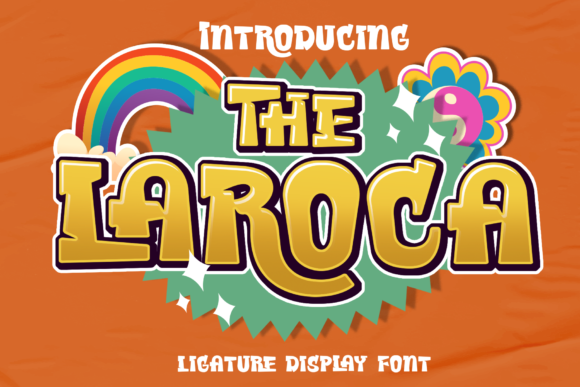
The Laroca is not a subtle or minimalist typeface. Its defining feature is its weight—thick, bold strokes that command attention. Styled with elements reminiscent of urban graffiti, it carries an inherent sense of energy, movement, and raw creativity. This makes it particularly suitable for industries where standing out is paramount.
For professionals in fashion, fitness, and entertainment, The Laroca serves as a visual shorthand for confidence and edge. However, because of its strong personality, it must be used with intention. Unlike neutral sans-serifs that recede into the background, The Laroca demands space. It interacts aggressively with other design elements, requiring careful balancing to ensure the final output remains cohesive rather than chaotic.
Core Use Cases and Industry Applications
- Sportswear and Activewear: The robust nature of the font aligns perfectly with athletic branding. It conveys strength and durability, making it ideal for jersey designs, gym apparel labels, and promotional posters for sports events.
- Streetwear and Fashion: In the fast-paced world of street fashion, typography is often the centerpiece of a garment. The Laroca’s graffiti roots resonate with youth culture and urban trends, offering a ready-made aesthetic for t-shirts, hoodies, and sneakers.
- Event Marketing and Logos: For music festivals, skate competitions, or urban-themed restaurants, The Laroca provides immediate visual impact. It works exceptionally well for logos that need to be legible from a distance or recognizable at small scales on merchandise.
- Digital Advertisements: In social media campaigns, static images compete for attention in milliseconds. The heavy weight of The Laroca ensures that headlines pop against complex backgrounds, driving higher click-through rates for lifestyle and entertainment brands.
Integration into the Creative Workflow
Successful implementation of any design asset begins long before the final render. When incorporating The Laroca into a project, the process should follow a logical sequence of preparation, selection, and refinement. This approach minimizes errors and ensures the font enhances rather than detracts from the overall message.
Phase 1: Strategic Planning and Contextual Fit
Before opening any design software, assess whether The Laroca aligns with the project’s goals. Consider the target demographic. If the audience consists of corporate clients seeking understated elegance, this font may be inappropriate. Conversely, if the goal is to disrupt norms and appeal to a younger, trend-conscious audience, The Laroca is a powerful tool.
Evaluate the competitive landscape. Look at existing brands in your niche. Are they using clean, modern fonts? Introducing The Laroca can create a deliberate contrast, signaling that your brand operates differently. This strategic differentiation is key to establishing a memorable identity.
Phase 2: Technical Preparation and Compatibility
Once the decision to use The Laroca is made, technical readiness is essential. Ensure you have licensed the font correctly for both digital and print use, depending on the scope of the project. Many commercial fonts have different licensing tiers for web usage versus physical merchandise like t-shirts.
Check the font file integrity. Open the font in your preferred editor to inspect the glyphs. Graffiti-style fonts can sometimes have irregular spacing or unusual kerning pairs. Preview common letter combinations (such as "AV," "LT," or "WY") to identify potential alignment issues early. Adjusting tracking (letter-spacing) manually may be necessary to prevent letters from clashing, which is a common pitfall with chunky typefaces.
Phase 3: Design Execution and Hierarchy
When laying out the design, treat The Laroca as a headline element rather than body text. Its complexity reduces readability at small sizes. Use it for titles, slogans, and key focal points. Pair it with simpler, lighter typefaces for supporting information. For example, a clean sans-serif like Helvetica or Roboto can provide a stable foundation, allowing The Laroca to act as the dynamic accent.
Consider color theory. The boldness of the font allows for vibrant, high-contrast color palettes. Neon greens, electric blues, or stark black-and-white combinations work well to amplify the graffiti aesthetic. However, avoid over-saturating the design. Let the shape of the letters speak through sufficient negative space.
Optimizing for Different Mediums
The Laroca’s performance varies significantly depending on the output medium. A workflow that works for a digital banner may fail when scaled up for a large-format billboard or down for a clothing tag.
Print Production Considerations
For physical products like t-shirts, the printing method matters. Screen printing benefits greatly from The Laroca’s solid shapes, as thick lines reproduce cleanly without bleeding. However, if using direct-to-garment (DTG) printing, ensure the resolution is high enough to capture the intricate details of the graffiti style without pixelation. Always request a physical proof before mass production to check how the ink interacts with the fabric texture.
Digital and Web Implementation
On the web, loading times and rendering quality are crucial. If embedding The Laroca via CSS, optimize the font files (using WOFF2 format) to reduce load times. Be mindful of mobile screens; the chunky letters may become illegible on very small devices. In such cases, consider scaling down the font size or simplifying the layout to maintain usability.
For social media graphics, experiment with layering. Place The Laroca behind semi-transparent shapes or overlay it with textured gradients to add depth. This technique prevents the flat, heavy look from appearing too rigid, adding a contemporary digital flair to the traditional graffiti style.
Maintaining Consistency and Quality Control
As projects scale, maintaining consistency across all touchpoints becomes challenging. Create a mini-style guide specifically for the use of The Laroca. Define clear rules:
- Minimum Size: Establish the smallest point size at which the font remains legible.
- Clear Space: Determine the required padding around the logo or text to ensure it isn’t crowded by other elements.
- Color Restrictions: Specify approved color combinations to avoid low-contrast scenarios where the font disappears.
Regularly audit existing materials. As brands evolve, older assets may no longer align with current standards. Updating these assets with The Laroca can refresh the brand’s image without a complete overhaul. This iterative process ensures that the visual identity remains relevant and impactful over time.
Conclusion
The Laroca is more than just a decorative font; it is a strategic design element capable of injecting energy and personality into a wide array of projects. By understanding its strengths—its boldness, its urban appeal, and its visual weight—creators can integrate it effectively into their workflows. Whether designing sportswear, crafting ad campaigns, or building a brand identity, thoughtful application of The Laroca leads to stronger visual communication. Success lies not in using the font everywhere, but in using it where it matters most, ensuring every design decision contributes to a cohesive and compelling narrative.