Integrating Kawaguchi into Your Creative Workflow for Authentic Japanese Design
In the realm of graphic design, typography is rarely just about readability; it is a primary vehicle for setting tone, establishing cultural context, and guiding the viewer's emotional response. For professionals, entrepreneurs, and creators who need to convey specific narratives quickly, selecting the right typeface is a critical strategic decision. Kawaguchi stands out as an incredibly unique, Japanese-inspired display font that offers more than mere aesthetic appeal. It functions as a powerful tool within a broader design process, capable of transforming standard layouts into immersive visual experiences.
Whether you are a small business owner launching a new restaurant, a marketer designing a campaign for a festival, or a freelancer pitching a rebranding project, the integration of Kawaguchi requires thoughtful planning. This article explores how to incorporate this distinctive typeface into your workflow, ensuring that its unique character enhances rather than disrupts your communication goals.
Understanding the Role of Kawaguchi in Visual Strategy
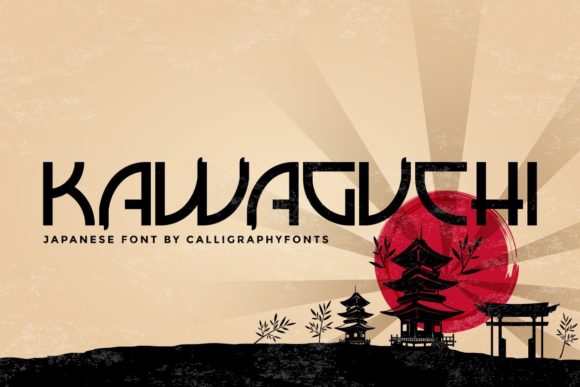
Before diving into technical implementation, it is essential to understand where Kawaguchi fits within the hierarchy of your design assets. Unlike versatile sans-serif fonts designed for body text, Kawaguchi is a display font. Its structure mimics traditional brush strokes and calligraphic nuances found in Japanese art, giving it an organic, handcrafted feel. This makes it ideal for headlines, logos, and key focal points where immediate impact is required.
When planning a project, consider the narrative you wish to tell. If your goal is to evoke authenticity, tradition, or artisanal quality, Kawaguchi acts as a semantic bridge between your content and the audience. It signals to the viewer that the product or service behind the design possesses depth and heritage. In a workflow sense, this means selecting Kawaguchi should be one of the first decisions made during the conceptual phase, not an afterthought added during the final polish.
The font's unique geometry interacts with white space differently than blocky Latin typefaces. It demands room to breathe. When integrating Kawaguchi into a layout, you must account for the negative space around the characters to maintain legibility and elegance. This consideration affects everything from poster composition to mobile menu design, requiring a shift in how you approach grid systems and alignment.
Strategic Applications Across Industries
The versatility of Kawaguchi extends across various sectors, but its effectiveness depends on how well it aligns with the specific constraints and objectives of each industry. Below are practical scenarios where this font adds tangible value to a professional output.
- Food and Beverage Menus: For restaurants specializing in sushi, ramen, or fusion cuisine, the font serves as a direct extension of the culinary experience. Using Kawaguchi for dish names or section headers creates an atmosphere of craftsmanship. It elevates the perceived value of the menu, encouraging customers to engage more deeply with the offerings.
- Event Posters and Flyers: Whether promoting a cultural festival, a music concert with an Asian theme, or a high-end fashion launch, Kawaguchi provides a dynamic visual anchor. Its brush-like strokes add energy and movement to static print materials, making them stand out in crowded physical spaces or digital feeds.
- Brand Identity Systems: Entrepreneurs looking to differentiate their brand can use Kawaguchi for logo lockups or taglines. However, consistency is key. Once selected, the font must be paired with complementary typefaces that do not compete for attention, ensuring a cohesive brand voice across all touchpoints.
- Educational and Publishing Materials: Educators and bloggers writing about history, culture, or travel can use Kawaguchi to break up dense text and highlight key concepts. It draws the eye naturally, improving the scanability of long-form content while maintaining a sophisticated editorial look.
Workflow Integration and Technical Considerations
Successfully deploying Kawaguchi requires attention to technical details that often get overlooked in the excitement of creative exploration. To ensure smooth execution from concept to final delivery, follow these practical guidelines regarding preparation, compatibility, and quality control.
File Preparation and Licensing
The first step in any workflow involving specialized fonts is verifying licensing terms. As a unique display font, Kawaguchi may have specific usage rights depending on whether it is intended for commercial projects, personal portfolios, or client work. Ensure you have the appropriate license before beginning production to avoid legal complications later. Additionally, download the font files in the correct formats (typically OTF or TTF) compatible with your design software suite.
Pairing and Hierarchy
One of the most common mistakes designers make is overusing display fonts. Because Kawaguchi is visually heavy and intricate, it should not be used for body copy. Instead, pair it with a clean, neutral sans-serif or serif font for supporting text. This contrast ensures that the message remains clear while the headline retains its artistic flair. In your design file, organize your layers logically: keep the display font on a separate layer from the body text to facilitate easy adjustments during the revision process.
Screen vs. Print Compatibility
Different mediums render typography differently. On a printed flyer or menu, the fine details of Kawaguchi's brush strokes will appear crisp and textured. However, on low-resolution screens or when scaled down too small, these details may blur or become illegible. Before finalizing a design, test the font at various sizes. If the kerning feels tight or the strokes disappear on mobile devices, adjust the tracking or switch to a simpler fallback font for smaller text blocks. This quality control step is crucial for maintaining professionalism across all platforms.
Optimizing the Design Process with Kawaguchi
Integrating a new font into your routine involves more than just typing words; it requires adapting your creative habits. Here is how to streamline the process of working with Kawaguchi to maximize efficiency and output quality.
- Create a Style Guide Early: Define the rules for using Kawaguchi at the start of a project. Specify which weights to use, minimum point sizes, and color palettes that complement the font's ink-like appearance. This prevents scope creep and ensures consistency if multiple team members are involved.
- Leverage Variable Fonts: If your version of Kawaguchi supports variable axes (such as weight or width), utilize these features to create dynamic variations without loading multiple font files. This keeps your document size manageable and allows for rapid experimentation with different visual tones.
- Test Accessibility: While aesthetics are paramount, accessibility cannot be ignored. Ensure that the contrast ratios between the text and background meet WCAG standards. The organic nature of the font can sometimes reduce contrast perception, so rigorous testing is necessary to guarantee inclusivity.
- Iterate with Feedback: Share drafts with stakeholders early. Ask specifically about the "feel" of the font. Does it match the brand identity? Is it readable? Often, clients may prefer a slightly modified version or a different pairing. Being open to feedback at this stage saves time during the final approval phase.
Long-Term Value and Consistency
Once Kawaguchi has been successfully integrated into a project, its value extends beyond the immediate deliverable. For businesses building long-term brand equity, having a distinct typographic signature helps in recognition. When customers see the specific curves and strokes of Kawaguchi on a menu, a poster, or a website, they begin to associate those visual cues with the quality and style of the establishment.
Maintaining this consistency requires discipline. Avoid swapping out the font for every new campaign or seasonal update unless there is a strategic reason to do so. Instead, evolve the surrounding design elements—colors, imagery, and layout—to keep the presentation fresh while keeping the typographic foundation stable. This approach builds trust and familiarity with your audience.
Furthermore, as you expand your portfolio or business, the experience gained from working with Kawaguchi informs future decisions. You will develop an intuition for when a brush-style font is appropriate versus when a geometric font is better suited. This accumulated knowledge is a form of intellectual capital that improves the speed and quality of your entire design process.
Conclusion
Kawaguchi is more than just a decorative element; it is a strategic asset for anyone looking to infuse their work with a sense of culture, artistry, and intentionality. By understanding its strengths, respecting its technical requirements, and integrating it thoughtfully into your workflow, you can unlock endless possibilities for your designs. Whether you are crafting a food menu, a promotional flyer, or a comprehensive brand identity, this Japanese-inspired display font offers a pathway to creating stunning, memorable visuals that resonate with your audience.
As you move forward with your next project, take the time to explore how Kawaguchi can elevate your message. Experiment with spacing, pairing, and context to find the perfect balance between form and function. With careful planning and execution, this unique typeface will become an integral part of your creative toolkit, helping you achieve professional results that stand the test of time.