Integrating Cikandei into Professional and Creative Workflows
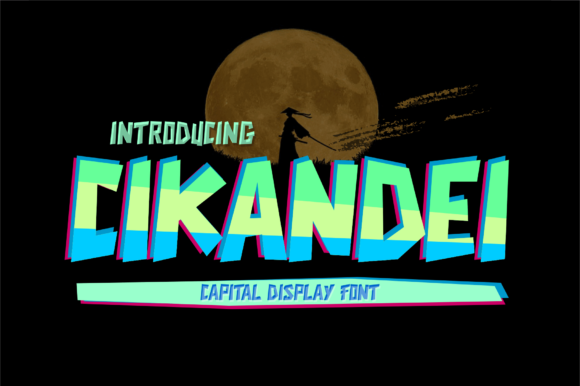
In the landscape of digital typography, selecting a typeface is rarely just an aesthetic choice; it is a functional decision that impacts readability, brand perception, and user engagement. For professionals ranging from graphic designers to small business owners, the font selection process is often the final step in a complex workflow involving strategy, layout, and content creation. This is where Cikandei enters the picture. Defined by its cool, bold, and thick letterforms, this display font offers a distinct visual weight that commands attention without sacrificing legibility in large-scale applications.
Unlike subtle serif or sans-serif fonts designed for body text, Cikandei serves a specific role in the typographic hierarchy: it is built for impact. Whether you are designing a high-stakes presentation deck, crafting a personalized greeting card, or executing a digital marketing campaign, understanding how to integrate such a bold typeface requires a shift in perspective. It is not merely about picking a font because it looks good; it is about recognizing how its structural characteristics interact with other design elements, media formats, and audience expectations.
Understanding the Role of Display Fonts in Design Strategy
To effectively use Cikandei, one must first understand its position within the broader design ecosystem. In professional workflows, typography is categorized by function. Body copy requires high x-heights and open counters to ensure readability at small sizes. Headlines, however, have different requirements. They need to stop the scroll, capture the eye, and convey tone instantly. Cikandei fits squarely into this headline category.
The "cool" aspect of its personality suggests a modern, perhaps slightly industrial or minimalist vibe, while the "bold and thick" attributes provide stability and presence. This combination makes it particularly suitable for contexts where authority and clarity are paramount. When planning a project, consider whether your primary goal is information density or emotional resonance. If the latter, Cikandei can serve as a powerful anchor for your visual narrative.
However, the thickness of the letters demands careful spacing management. In many design software suites, default kerning pairs may not account for the sheer mass of these characters. A workflow tip here is to always review your text on actual output devices—a mobile screen versus a printed poster—because the perceived weight of thick letters changes significantly depending on resolution and viewing distance. What looks balanced on a 4K monitor might appear cramped when scaled down for a social media thumbnail.
Practical Applications Across Different Mediums
The versatility of Cikandei lies in its ability to adapt to various mediums, provided the implementation respects its physical constraints. Let’s look at how this font interacts with different tools and platforms.
Digital Design and User Interfaces
In web design and app interfaces, display fonts like Cikandei are best used sparingly. Overuse can lead to visual fatigue, reducing the time users spend on a page. Instead, integrate it into hero sections, call-to-action buttons, or section headers. Because the letters are thick, they naturally create negative space around them. Use this to your advantage by allowing ample whitespace (or padding) around the text. This isolation enhances readability and gives the design a premium feel.
When using Cikandei in HTML/CSS environments, be mindful of font loading strategies. Heavy display fonts can sometimes increase file size if not optimized. Utilize WOFF2 formats and subset the font to include only the characters you need. This ensures faster load times, which is critical for SEO and user experience metrics. Furthermore, test contrast ratios rigorously. Bold black text on a white background is standard, but Cikandei’s unique shape might require slight adjustments to color pairing to maintain accessibility standards (WCAG).
Print Media and Physical Crafts
For hobbyists, educators, and small business owners involved in physical production, Cikandei shines in cut-file applications. Its thick strokes make it ideal for vinyl cutting, laser engraving, and die-cutting. The robust nature of the letters means fewer delicate connections are required, reducing the risk of material breakage during the cutting process.
Consider the workflow of creating branded merchandise. If you are designing stickers, t-shirts, or tote bags, Cikandei provides a clean, modern look that translates well to fabric and adhesive surfaces. However, pay attention to the "ink trap" effect. In thick fonts, the intersections of vertical and horizontal lines can become muddy if the ink spread is not controlled. When sending files to print shops, ensure your vector paths are closed and outlines are expanded to prevent any rendering errors during the pre-press stage.
Presentations and Corporate Communications
In the corporate world, clarity is king. Cikandei can transform a mundane slide deck into a compelling visual story. Use it for key data points or main thesis statements. Avoid using it for bullet points or lengthy explanations. The cognitive load required to read thick, stylized text is higher than that of standard sans-serifs. Therefore, reserve it for moments where you want the audience to pause and absorb a single concept.
When preparing presentations, consistency is key. If you choose Cikandei for your title slides, establish a rule for when it appears elsewhere. Perhaps use it for chapter breaks or quote highlights. This creates a visual rhythm that guides the viewer through your narrative. Additionally, pair Cikandei with a neutral, lightweight sans-serif for supporting text. The contrast between the heavy display font and the light body font creates a dynamic tension that keeps the audience engaged without overwhelming them.
Workflow Integration and Asset Management
Implementing a new font is not just about typing words; it involves managing assets and ensuring consistency across teams. For freelancers and agencies, this means establishing a clear typographic system in your style guides.
- Font Licensing: Before integrating Cikandei into client projects, verify the license terms. Some display fonts have restrictions on commercial use, web embedding, or print runs. Ensure you have the appropriate rights to avoid legal complications later in the workflow.
- Version Control: Fonts can update over time. Keep track of the version number of Cikandei you are using. If a client updates their system and receives a different version, subtle differences in glyph shapes could alter the design’s intent. Embedding the font in PDF exports or converting text to outlines (where editable text is no longer needed) can preserve the visual integrity of your work.
- Color Theory Interaction: Thick fonts interact differently with colors than thin ones. A light gray on white might disappear with a thin font but remain visible with Cikandei due to its mass. Experiment with muted tones or pastels to let the shape of the letters take center stage. This approach is particularly effective in greeting cards and invitations, where elegance is preferred over loudness.
Quality Control and Long-Term Viability
As you incorporate Cikandei into your routine, establish a quality control checklist. Does the text fit within the designated boundaries? Is the line height sufficient to accommodate the ascenders and descenders of the thick letters? Are there any awkward gaps between characters that disrupt the flow?
Long-term use also depends on trend alignment. While bold, geometric display fonts have enjoyed sustained popularity, fashion in design shifts. Cikandei’s "cool" factor helps it age gracefully, but it is still subject to changing tastes. Monitor feedback from your audience. If engagement drops or comments suggest the text is hard to read, be prepared to pivot to a more traditional option. Flexibility is a hallmark of a mature creative workflow.
Moreover, consider the accessibility implications. As society moves toward more inclusive design practices, relying solely on bold, stylized fonts for communication can exclude users with dyslexia or visual impairments. Always provide alternatives. Use Cikandei for decorative purposes or emphasis, but ensure that all critical information is available in a highly readable, standard typeface. This dual approach allows you to leverage the aesthetic power of Cikandei while maintaining ethical and practical standards of communication.
Conclusion of Practical Application
Cikandei is more than just a font; it is a tool for emphasis, structure, and brand identity. By understanding its physical properties and integrating it thoughtfully into your design workflows, you can enhance the impact of your projects. Whether you are crafting a digital ad, printing a batch of business cards, or structuring a PowerPoint presentation, the key is balance. Let the boldness of Cikandei do the heavy lifting for your headlines, while lighter, more functional fonts handle the details. This synergy between typefaces creates a cohesive, professional result that resonates with audiences and stands the test of time.